Music for D&D
A Dungeon Master's field guide
There is a moment, two hours into a session, when the wizard enters a room that no one has yet explored or described, and silence falls at the table — because the music has changed. This page is about that moment.
Why music matters at the table
Dungeons & Dragons is theatre of the mind. The Dungeon Master describes a corridor, the players imagine a corridor, and somewhere between description and imagination there is a gap — a place where the table itself, the room you're playing in, the kitchen sounds from next door, all leak back into the fiction. Music fills that gap. It doesn't tell the players what to feel. It tells them where they are.
The right cue can do in eight bars what a paragraph of read-aloud text struggles to do: drop the temperature, raise the pulse, mark a threshold. Dungeon synth is particularly well-suited to this because it was designed for exactly the same imaginary D&D was — galleries with no exit, tombs, candle-lit halls. Slow keyboards, long reverbs, no vocal line to argue with the DM's description.
The four phases of a session
Most D&D sessions move through a predictable rotation. Knowing which phase you're in helps you queue the right track:
1 · Opening / scene-setting
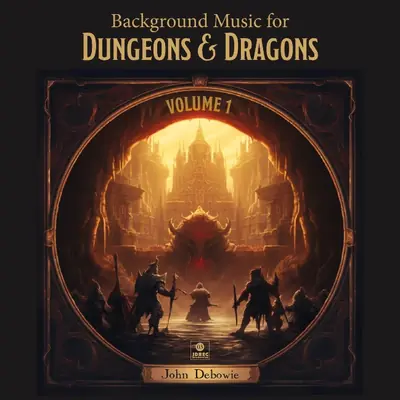
The players sit down. Snacks are unwrapped. Someone is still checking their character sheet. You want music that signals we are starting without yet pushing anyone toward a mood. Slow drones with a clear, almost ceremonial entrance work best. Start of Game V1 from Background Music for D&D, Vol. 1 is built for this exact moment.
2 · Exploration / roleplay
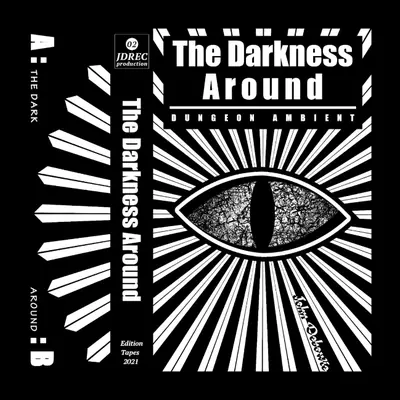
The party moves down a corridor, listens behind a door, decides whether to go deeper. This is the longest phase of a session, and the one that demands the most from a long-running setting. You need something that can play for thirty minutes without requiring attention. The Darkness Around is composed of two thirty-minute tracks made exactly for this: a subterranean sound — wet, dark, crossed by unsettling presences. Start the tape and the session tells itself.
3 · Danger / pre-combat
Initiative is about to be rolled. The fighter draws their sword. You want a track that shifts the room's energy without yet committing to combat — a sense of something is going to happen now. Danger V1 and Suspance V1 from Background Music for D&D, Vol. 1 are designed as transitional cues, leading the party from exploration into the encounter.
4 · Combat
Initiative is rolled. The orcs are charging. Music here should push forward — driving rhythm, no ambiguity. To the Battle V1 and Fight V1 are the combat halves of the same album. Loop them as long as combat lasts.
A whole adventure, in order
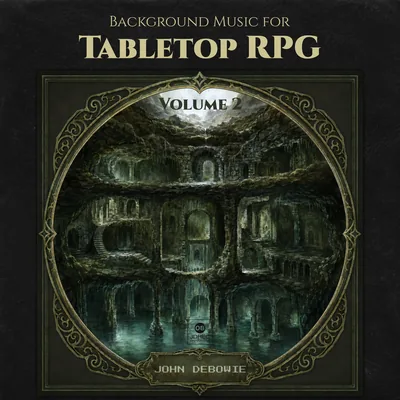
Sometimes you don't want single cues, you want a soundtrack that follows the module. Background Music for Tabletop RPG, Vol. 2 is eight tracks for Lost Mine of Phandelver, in the order the adventure runs them — from The Road North to Leaving the Village. Every track loops: press play when the party leaves town and let it run under the table.
A working playlist
The releases below were composed in Milan over five years, specifically with tabletop sessions in mind. Each one fills a different niche at the table:
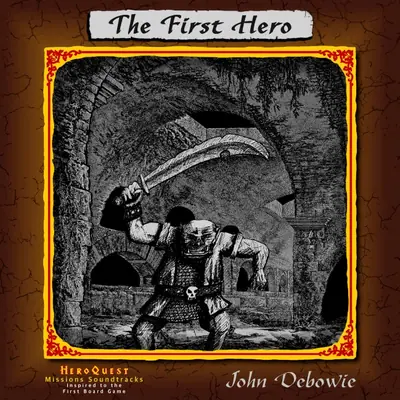
Three small rules
Cue ahead of the moment, not on it. Press play before the orcs are visible — your players' nervous system needs a beat to adjust. A track that arrives at the same time as the threat feels like a soundtrack; a track that arrives a second too early feels like prescience.
Don't fade out mid-encounter. If a fight is dragging, the music dragging with it is part of the cost. Let the track finish. Looping the same combat track for twenty minutes will not break the spell; cutting it mid-action will.
Silence is also a cue. The best moment in any session is often the second after the music stops. The players notice — even if they don't know what they noticed.
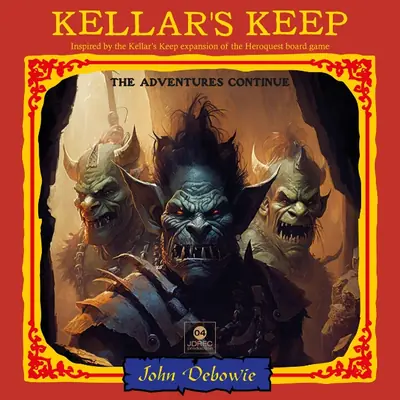
Playing HeroQuest instead? → See all music for HeroQuest